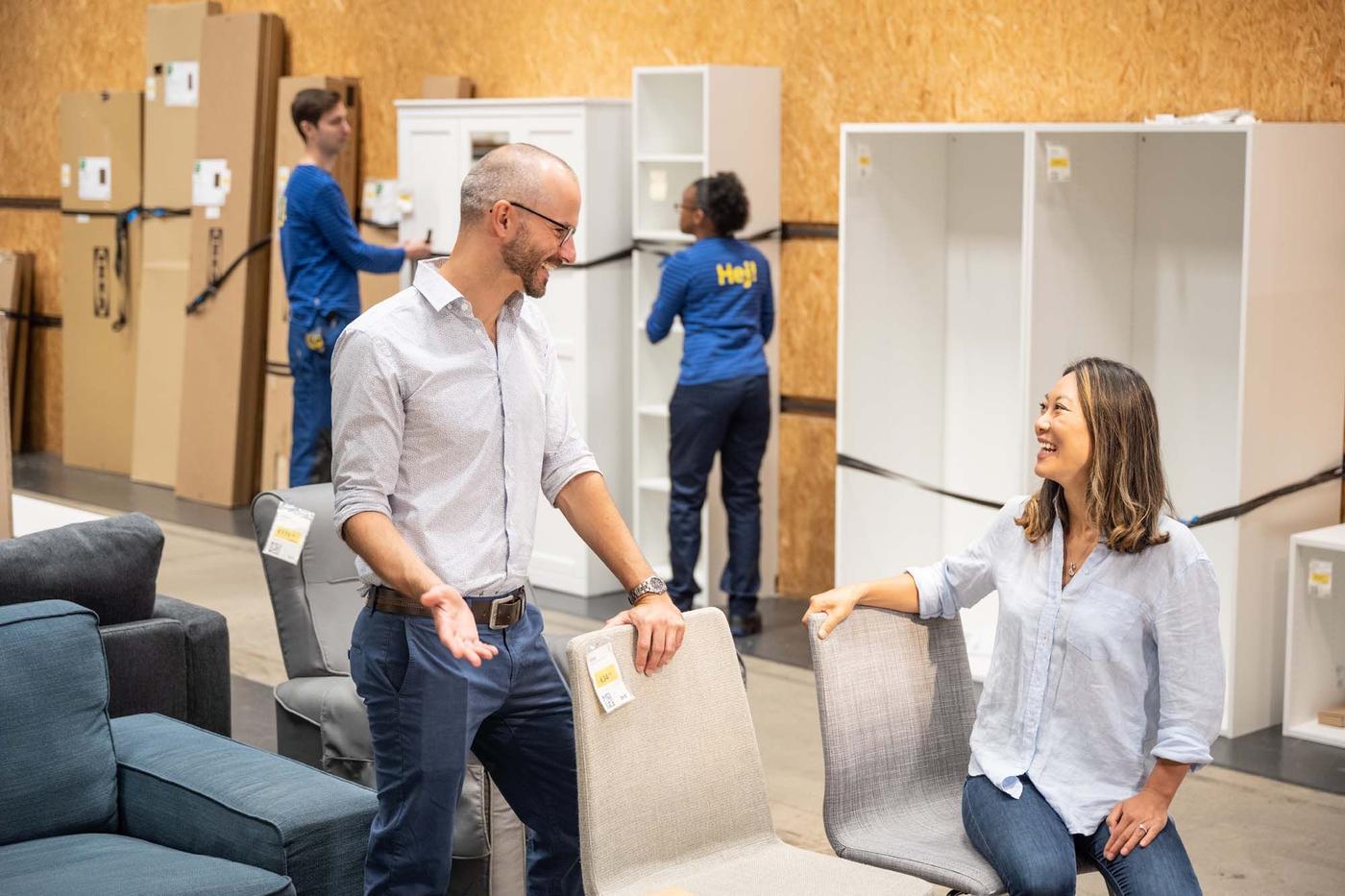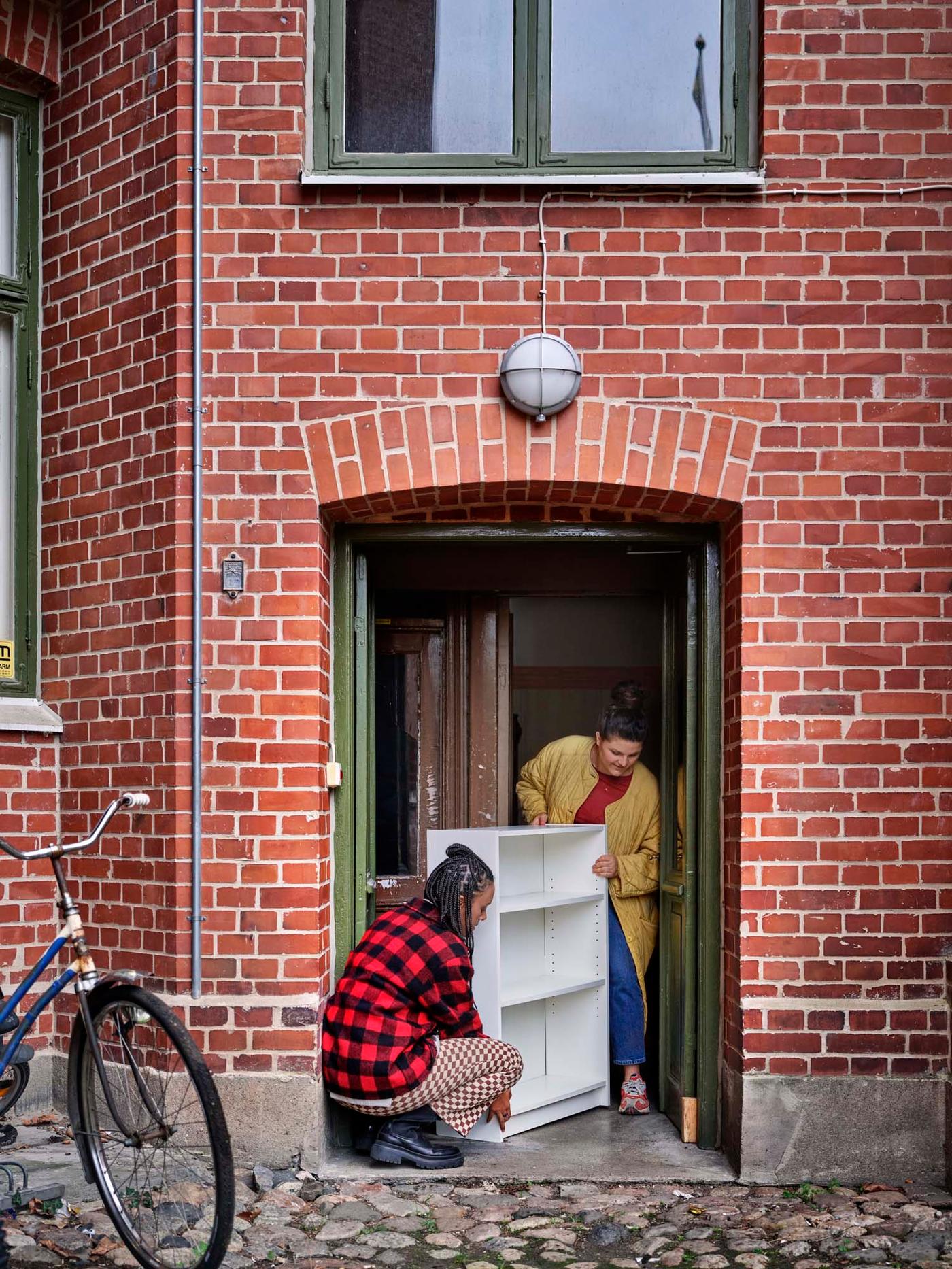
Transitioning towards a circular business
Circularity is a key focus area in our sustainability strategy and an enabler to tackle climate change, reduce pollution and waste, regenerate resources, and lessen our impact on nature. Transitioning towards a circular business is a fundamental, system-wide shift that affects every aspect of the IKEA business. This includes the products and services we develop and offer, the materials we source, and how we enable our customers to prolong the life of IKEA products and materials.
We need to adapt our own processes and ways of working to transitioning towards a circular business, and the IKEA value chain is part of a bigger system where significant change needs to take place. We will take the lead and join forces with others through advocacy, collaboration, and business partnership, and share knowledge and experience to advance the transitioning towards the circular economy. We collaborate and focus on long-term commitments and relationships with suppliers, business partners, NGOs, and communities around the world, and engage together with our customers to accelerate the transitioning from linear to a circular economy.
We will continue our work to achieve the following by FY30:
- IKEA products are designed from the very beginning to be reused, repaired, refurbished and recycled, achieving an average circular fulfilment score across our entire product range of 90%, with at least half of our products scoring 100%.
- Absolute decoupling of virgin, non-renewable material use from IKEA business growth is achieved, with an increase in the share of recycled and renewable content in IKEA products to at least 90%.
- Circular services are designed and implemented in at least 80% of our markets, making it easier for people to reuse, repair, refurbish and recycle.
Our circularity agenda includes:
Embedding circular design principles in Democratic Design
Democratic Design is the basis for all our product design. Circular design principles are embedded in Democratic Design to ensure that we design for the intended use of the product, as well as design the product to move through the circular loops so that the life of the product could be extended. The design principles include designing for renewable or recycled materials, standardisation, care, repair, adaptability, disassembly and reassembly and recyclability.
Designed to move and grow with you
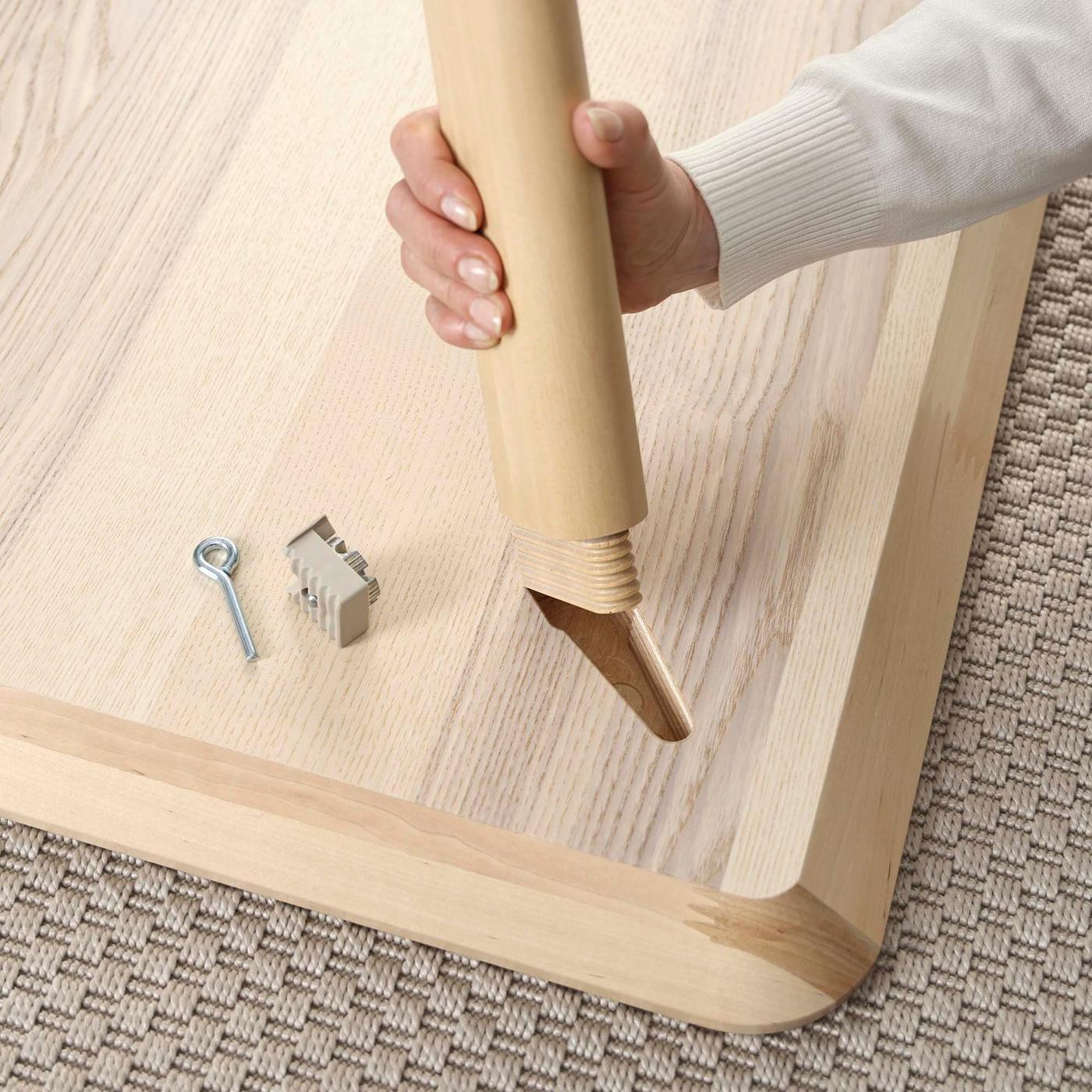
A key enabler to prolonging the life of products is through design, building in the flexibility to disassemble, reassemble or adapt the product. One example is the wedge dowel, a click-technique that eases the assembly, disassembly and eventual reassembly of IKEA furniture so the customer can take it with them when they move. Another example is extendable beds that are designed to adapt to a child’s growth for many years.
Improving a favourite
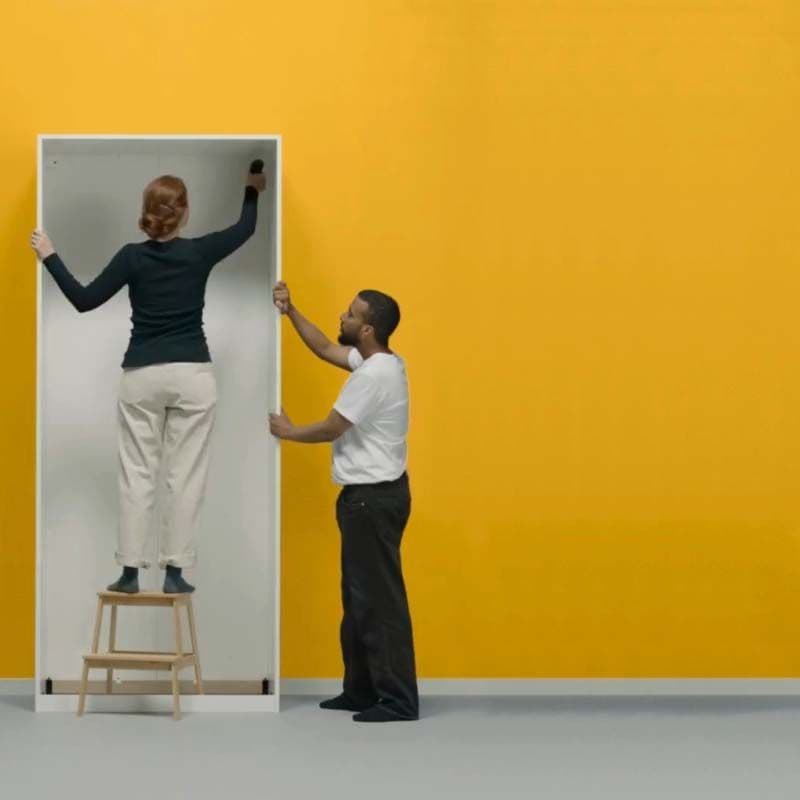
The PAX wardrobe is our long-time favourite and is designed for durability and long-term use. The redesigned foldable frame includes a pre-glued, one-piece back and side panels, and the rest of the frame pieces use wedge dowel fittings to connect. The new PAX requires fewer fittings and less time for assembly, and makes disassembly possible and easier. It reduces the risk of damage and has been tested for tool-free assembly, disassembly, and reassembly (up to 10 times). The foldable frame is designed with platform thinking, and its size, form, etc. is compatible with the previous version of PAX wardrobes, doors and interior fittings.
Using renewable or recycled materials
Materials used in IKEA products make up the biggest share of the IKEA climate footprint. The materials we choose for our products play an important role in our transition towards a circular business. Therefore, to reduce the overall environmental impact, a crucial step is to shift from fossil-based materials to recycled and renewable resources.
Wood
We are always looking for ways to use wood as efficiently as possible, without compromising quality or function. We continuously improve our processes and invest in innovation to use wood more efficiently and to increase the share of recycled wood in our products.
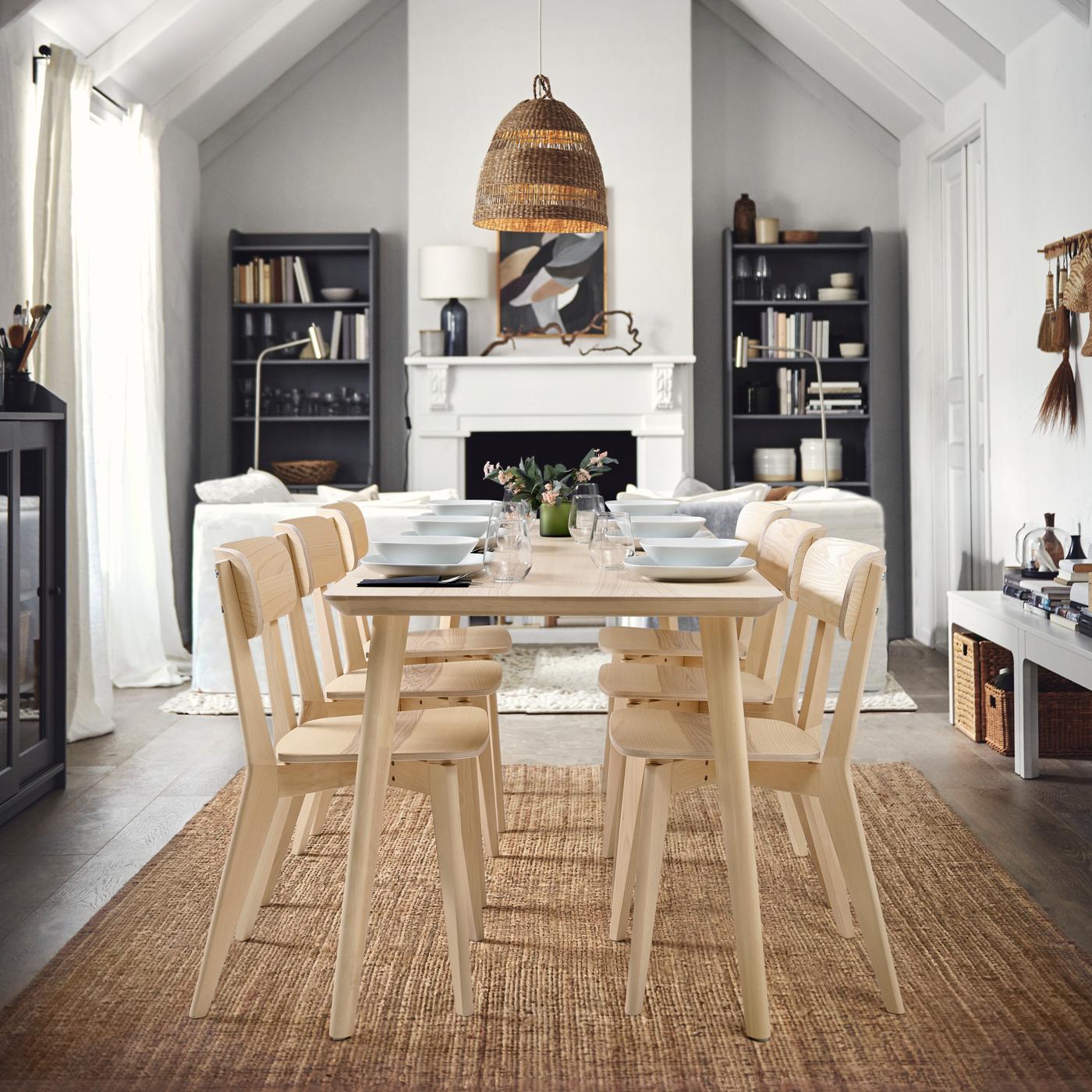
Our innovation and design process also supports us in creating more from less, such as lightweight furniture that is durable, easy to transport and assemble – like our LISABO table.
As part of our Forest Agenda, we are working to increase the use of recycled wood in particleboard production.
Plastics
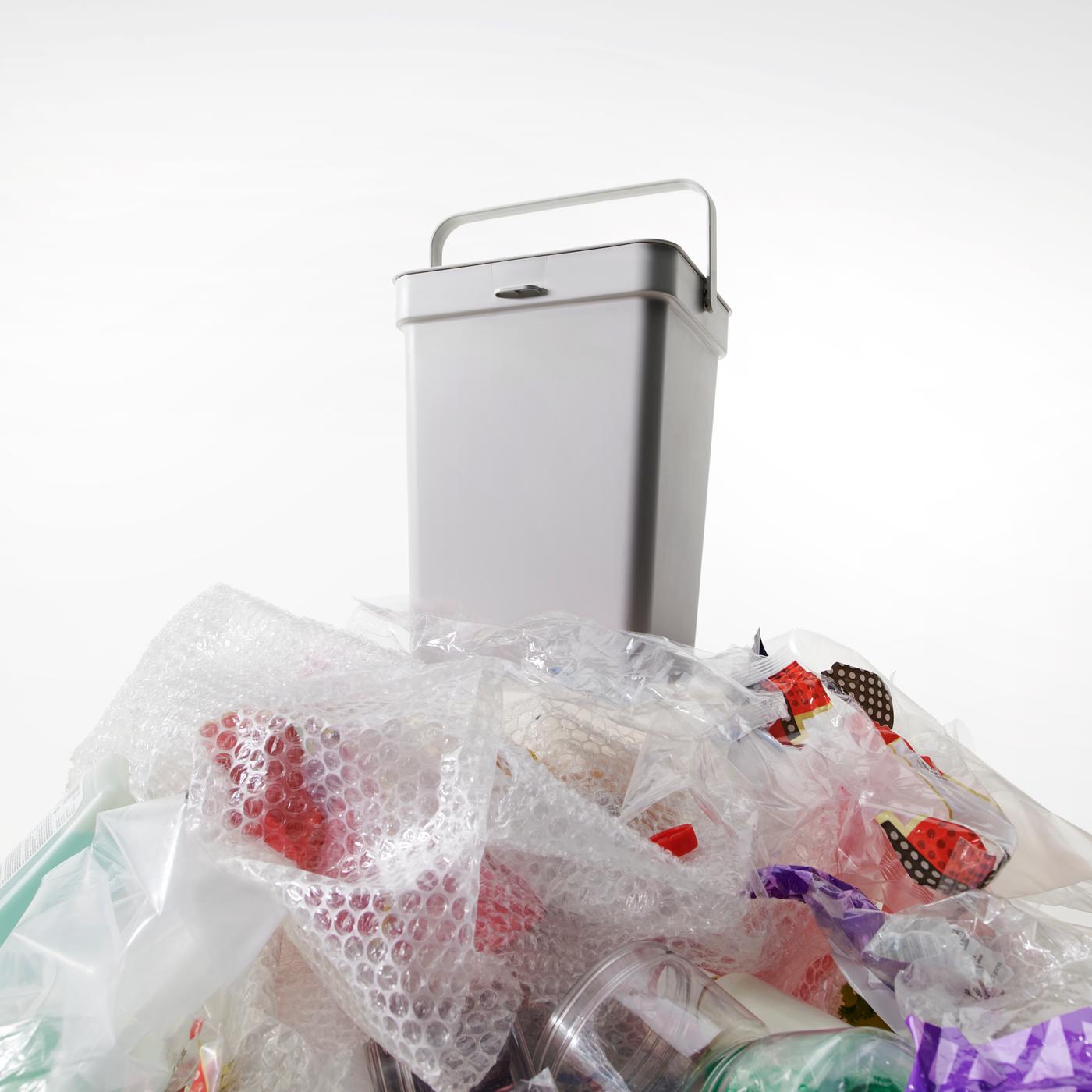
Lightweight, durable, versatile and affordable – plastic has many valuable properties, and it can be shaped into many different products, including home accessories and furniture.
We’re continuously working on reducing the environmental impact associated with plastic use, and we’re therefore focusing on innovating to find better ways to reduce, reuse and rethink plastics wherever we can. We’ve already phased out single-use plastic products from our home furnishing range, and we’re actively working to eliminate plastic from our product packaging.
A key part for us is to increase the share of recycled plastics in our products, and we work closely with our partners and suppliers to speed up progress. So, we’re turning the idea of waste on its head and reimagining it as a valuable resource that can be reused. In this way, we can contribute to alleviating pressure on nature, minimizing waste, and maintaining the value of plastics for as long as possible.
Cotton
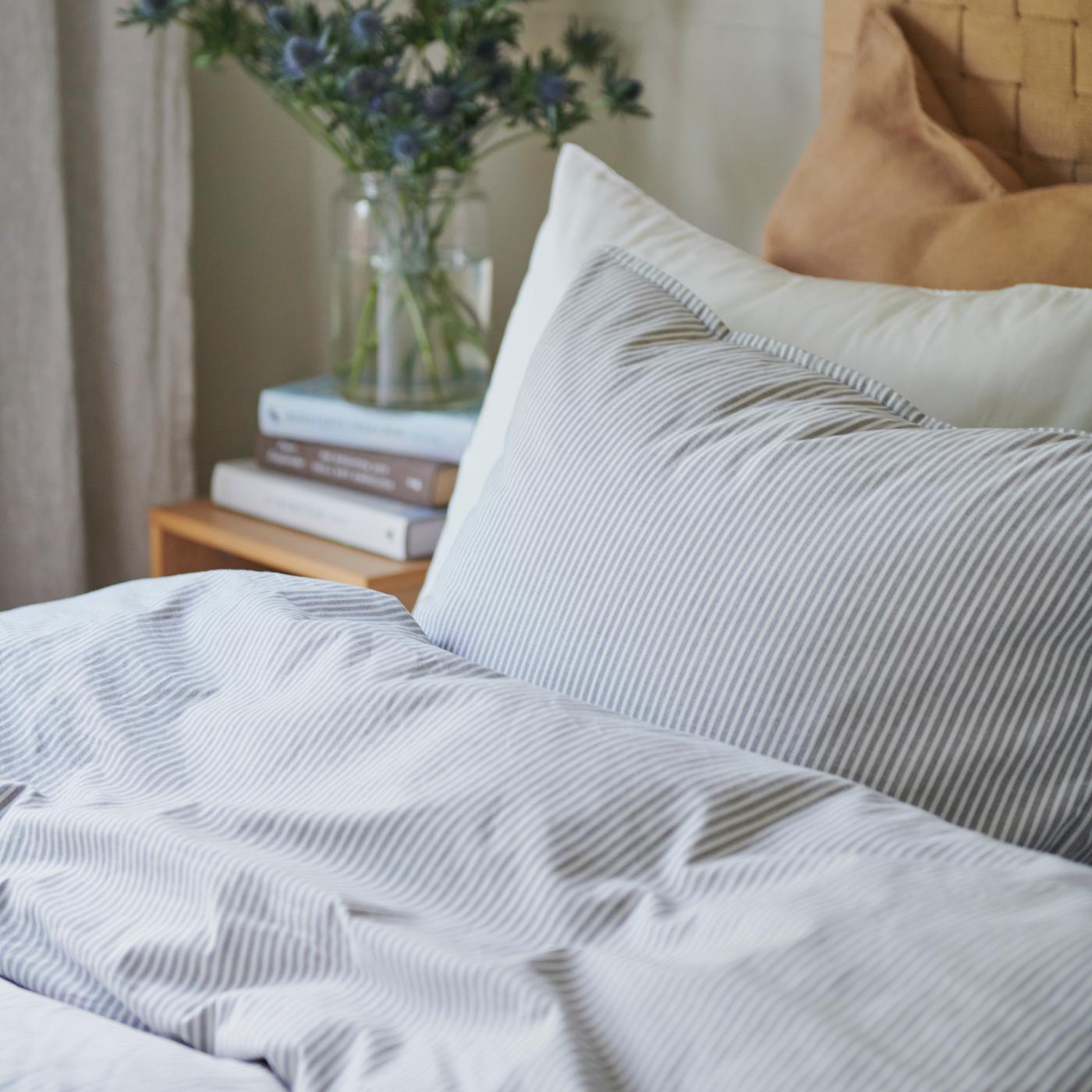
Cotton is one of the main raw materials used for IKEA textile products. The cotton we use in IKEA products comes from suppliers who are required to comply with IWAY, our supplier code of conduct, which includes a focus on improving both environmental and social impacts. In IKEA we define recycled cotton as cotton fibres recovered from hard cotton waste materials such as yarns, fabrics, garments, etc. The feedstock can be pre-consumer and post-consumer materials.
Recycled Polyester
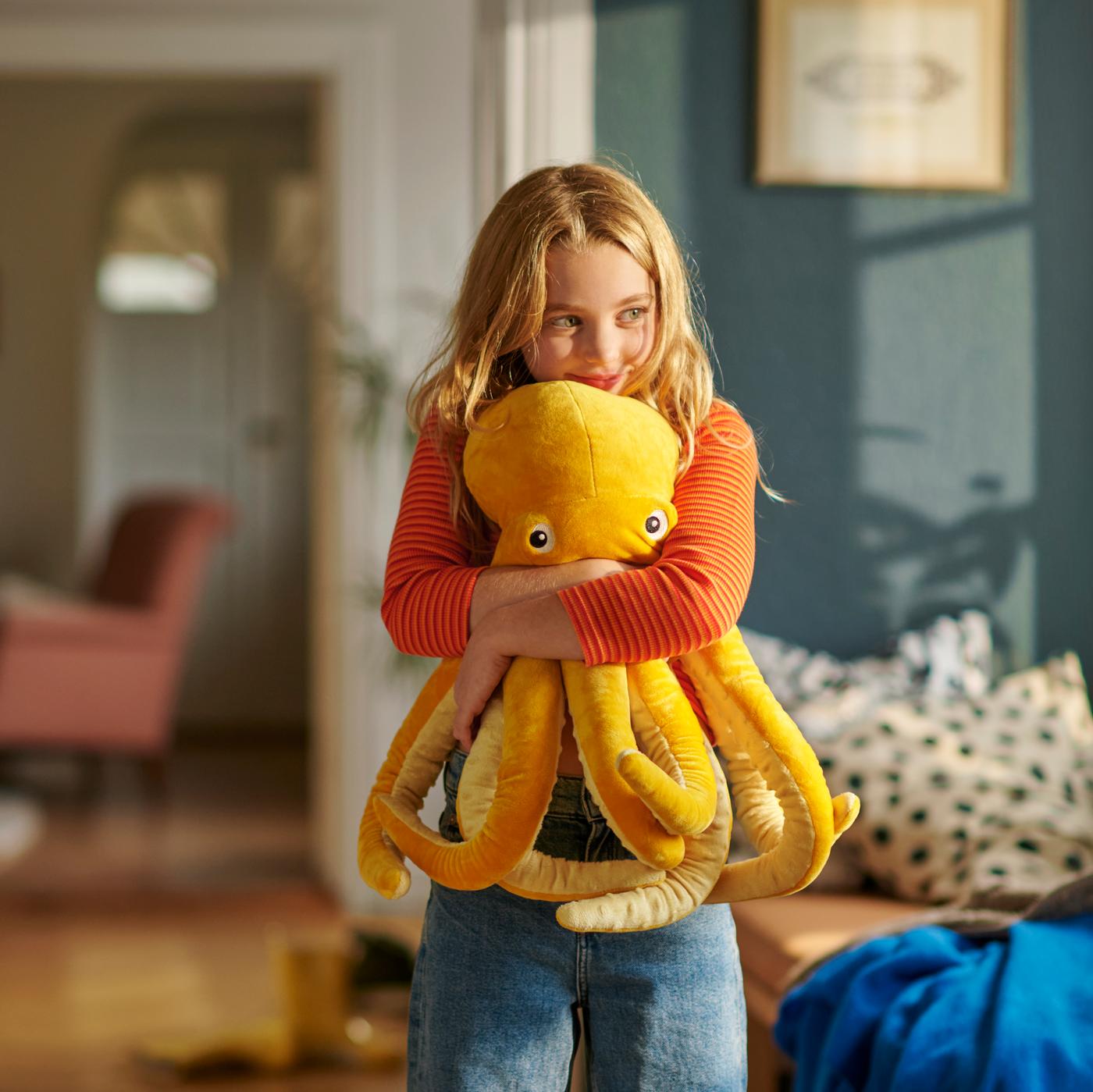
Just like virgin polyester, recycled polyester is a strong, flexible, and durable material made from synthetic fibres. Since polyester does not absorb moisture, naturally resists stains and is a great insulator, polyester is very popular within clothing, home furnishings, soft toys, industrial fabrics and more.
Metals
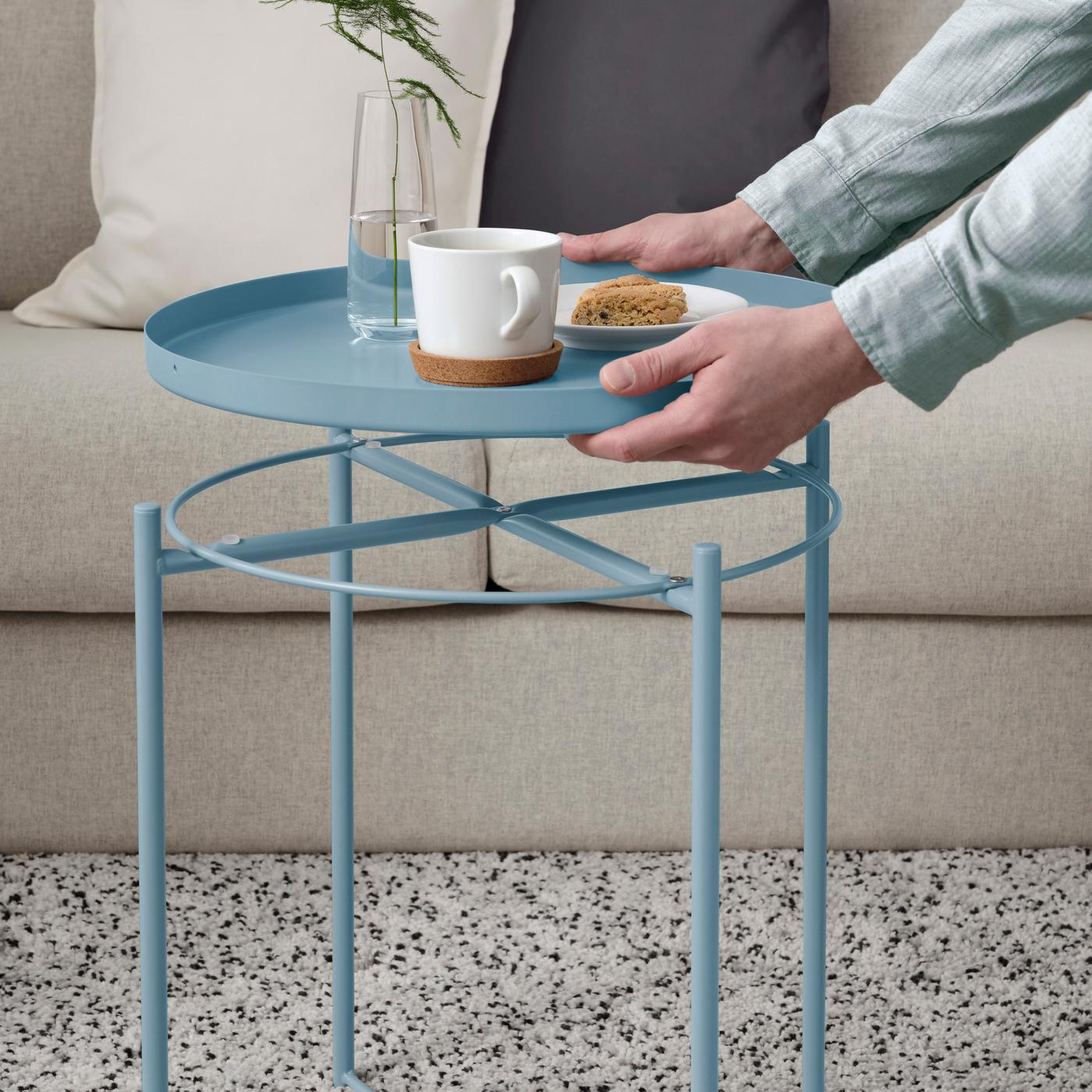
Metals play a vital role in IKEA products. Aluminium offers lightness and durability, stainless steel ensures long-lasting, anti-corrosion performance, and carbon steel provides strength for furniture and fittings. Simply put, without metal, there is no furniture. And the best part is that metals can be recycled multiple times without losing their fundamental properties. At IKEA, our recycled metals come from various sources, such as industrial scrap and steel product waste.
Glass
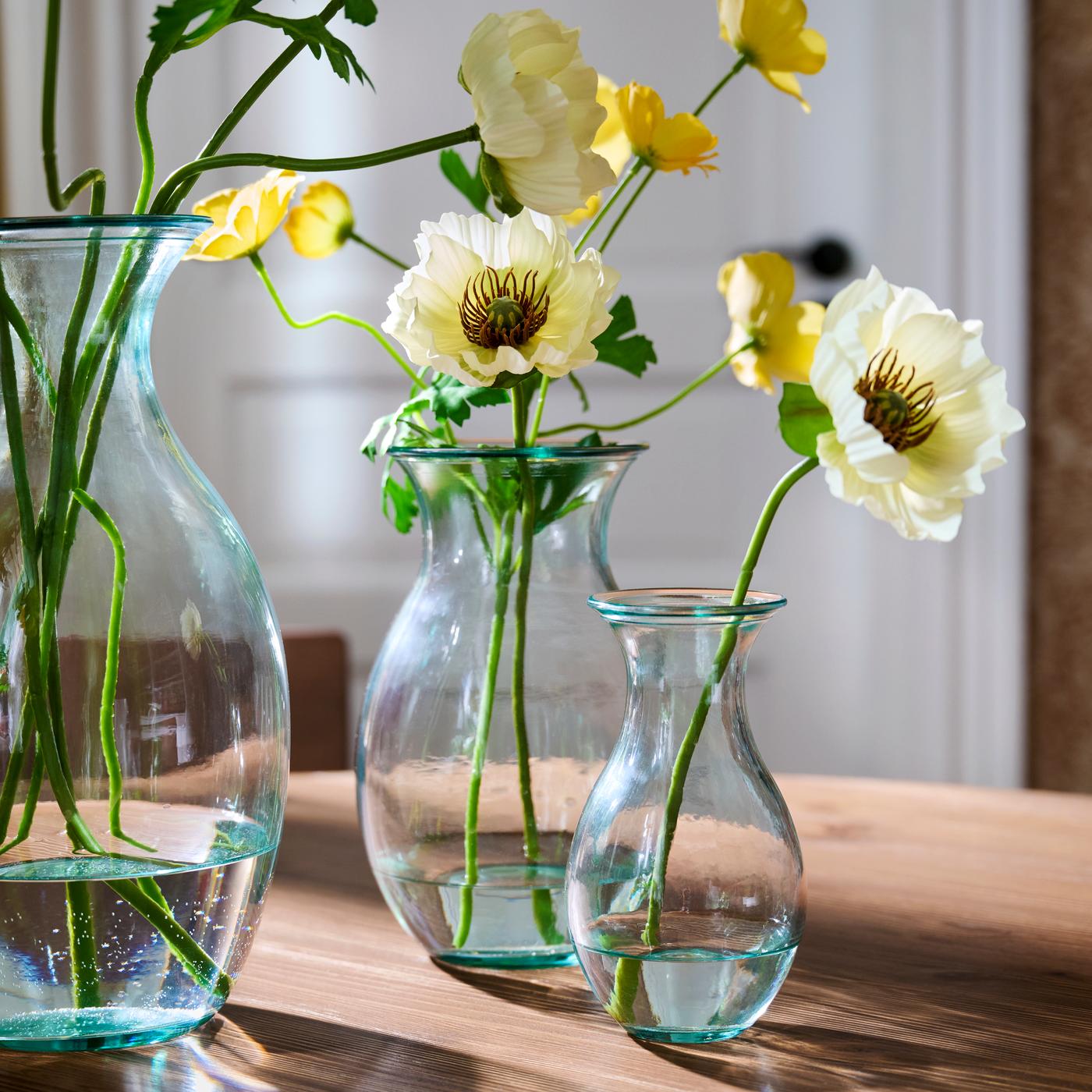
Glass is a material that can be recycled infinitely. We are working with suppliers, other supply chain partners, and research institutes to find ways to repurpose used glass into new products. The BERGKÖRSBÄR vase is an example of a product made from 100% recycled glass.
Foam
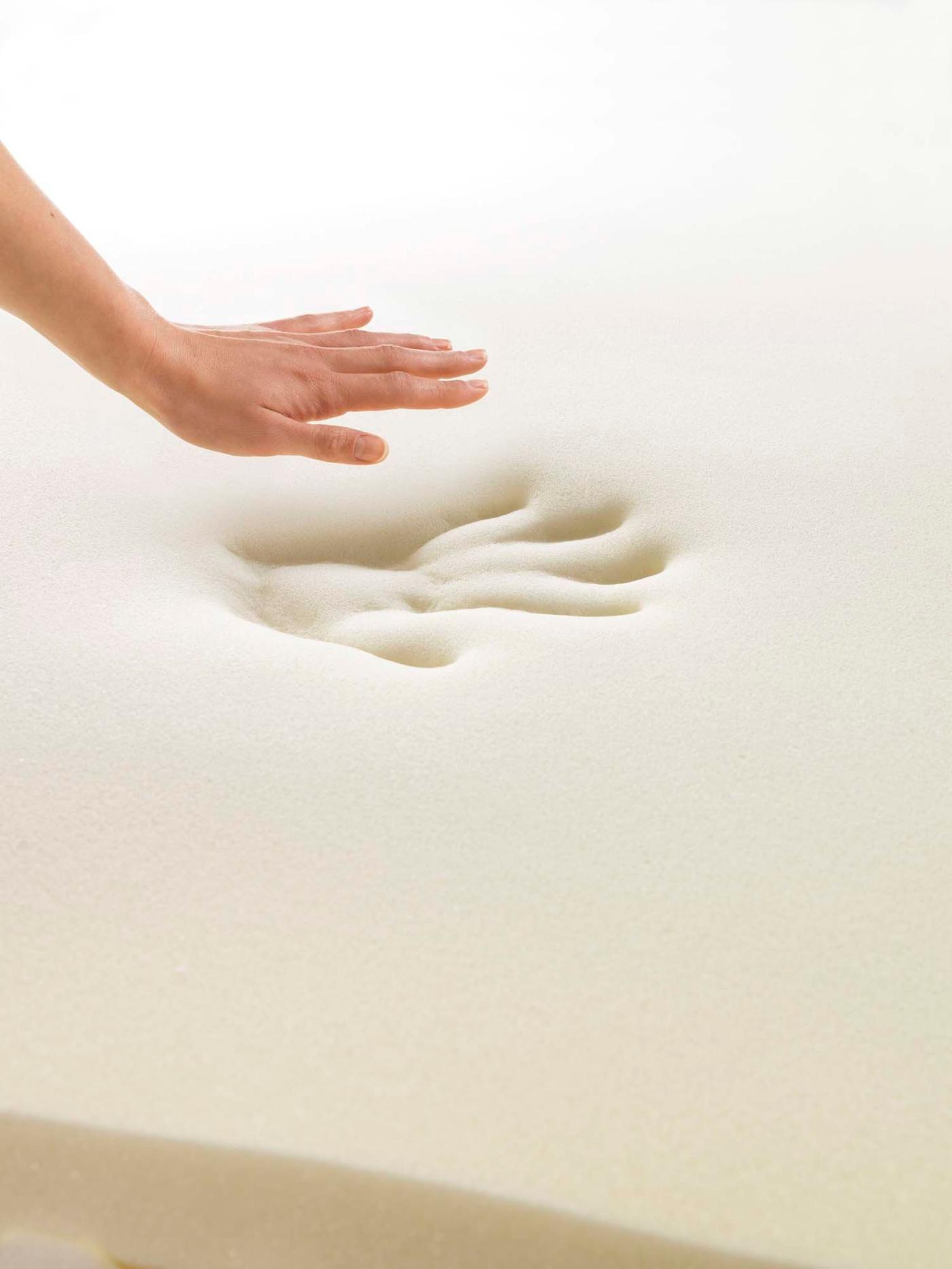
We continuously challenge ourselves to innovate in foam production, to reduce our reliance on virgin, fossil-based materials. We continue to explore and increase the use of recycled and renewable content in polyurethane foam, a key material used in products such as mattresses, sofas, chair pads, and pillows.
Developing circular services and solutions
We want to inspire and encourage people to participate in the circular economy, and support our customers to reuse, refurbish and recycle their products by developing circular services (repair, removal, buy-back), care and repair products, second-hand product sales (both online and offline), and after-sales parts.
Making it easier to prolong product life
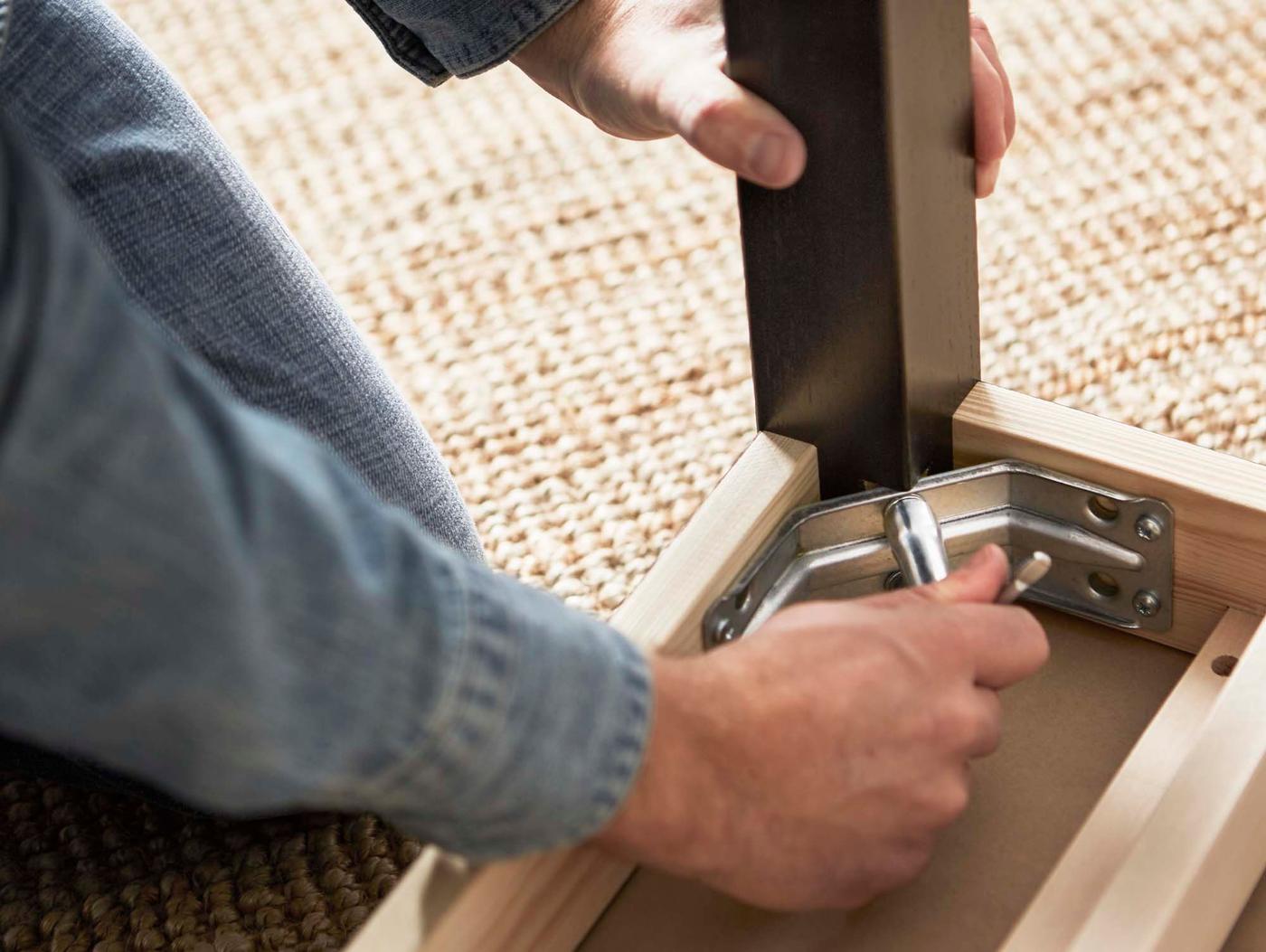
We continue to increase the availability of spare parts for customers to prolong the life of products. Customers can order assembly parts (i.e. nuts, bolts and screws that are shown in assembly instructions) through an online tool.
Creating marketplaces for second-hand items
A growing number of IKEA markets buy back IKEA furniture from customers who no longer need it and re-sell these good-quality second-hand items to new customers in the As-Is areas in stores.